For 25 years, I’ve helped leaders find and close that gap before the launch. So your next product rollout, AI initiative, or major shift gets more than a yes in the room.
We did everything right, so why didn’t it work?
I’ve seen this play out more times than I can count. The plan checked every box. People nodded along and left the room thinking they were aligned.
But somewhere between alignment and the real work it fell apart and nobody could put their finger on why.
In practice, it looks like this:
People say yes in the room, then build workarounds once it’s live.
People don’t trust it enough to change how they actually work, so old habits win.
The dashboard says adoption is up. Nobody’s really using it.
Now you're the one wondering
Do I have a communication problem, or did we solve the wrong thing?
In reality, something essential was missing.
People didn’t fully understand why this mattered or what it meant for them.
They didn’t always feel equipped to act on it.
They worked around what didn’t fit because there wasn’t enough room to make meaningful choices, ask the uncomfortable question, or say, “This isn’t working for me.”
So you had participation on paper, without the agency to back it up.
That’s the gap. And the longer it stays invisible, the more it costs to fix.
WHy NOW?
This isn’t a new problem, but it’s moving at a new and rapid speed.
Take AI. There’s no real playbook yet, so people go in with rough prompts and come out more confused than they started.
Multiply that by every major shift happening right now, and you get a workforce being asked to move at a speed humans weren’t built for.
Decades of research say the same thing, over and over:
When people have real connection, competence, choice, and consent, organizations perform better–and so do the people inside them.
Agency isn’t something that happens. It is something you build on purpose.
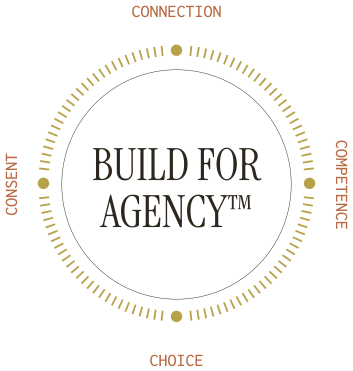
Build for Agency™
The conditions that decide whether a major shift takes hold in practice, or stays stuck on paper.
I created Build for Agency™ to make that gap visible. When even one condition is missing, people comply instead of commit. When all four are in place, the work moves on its own.
That’s agency.
Connection
People show up because it actually matters to them, not because someone told them it should.
COMPETENCE
People know enough to use what’s new, or trust they can figure it out. Fewer mistakes, less time spent managing confusion.
Choice
People get real options, and saying no is actually okay. What you build works, because nobody was pushed into it.
Consent
People know what they're signing up for before they're in it. Trust stays intact instead of eroding later.
My Philosophy
The gap is human. Agency is the advantage.
Plenty of people will tell you trust and readiness matter. Few can tell you exactly what that requires, or turn it into something you can actually build.
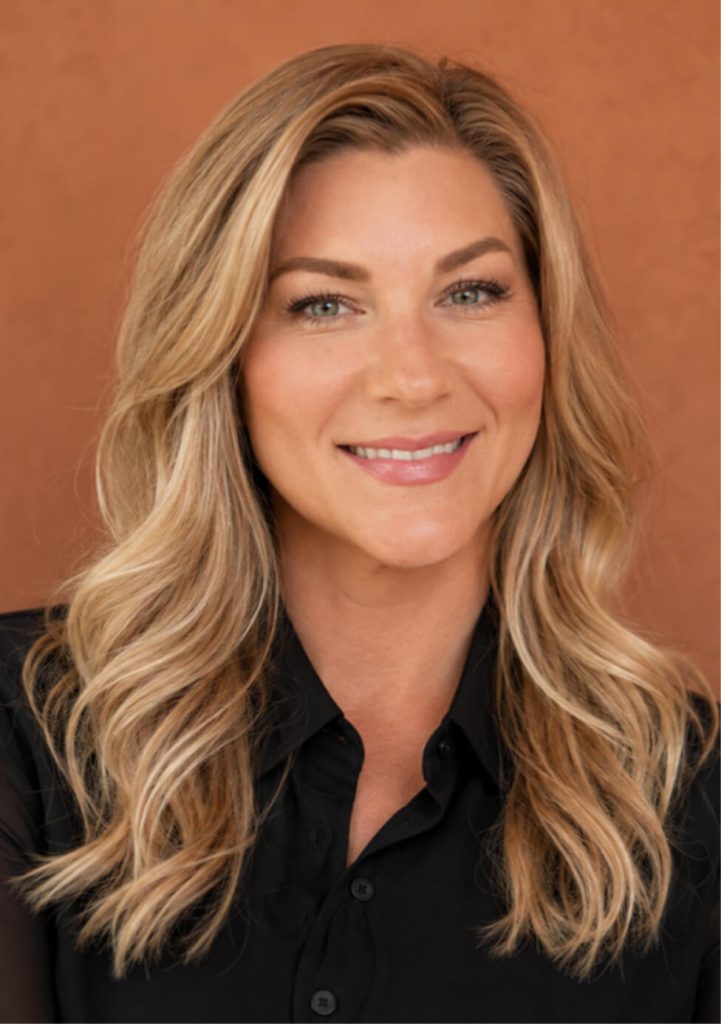
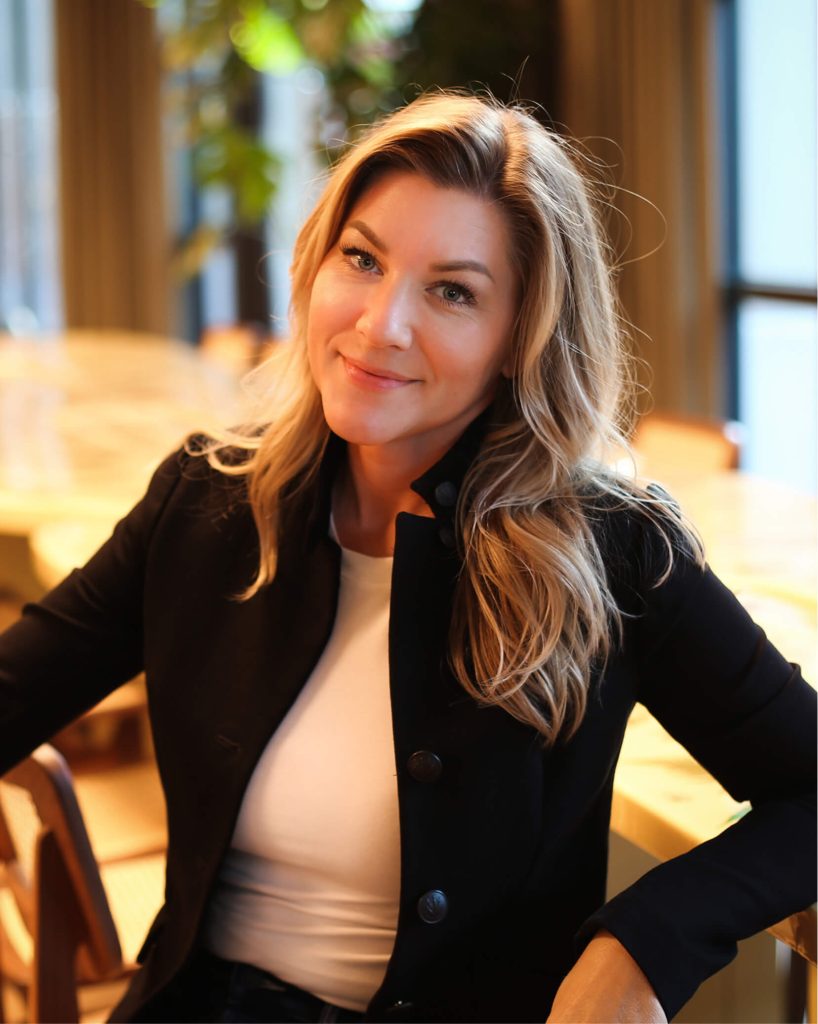
Jennifer Ybarra
Strategist, Speaker, Founder
What I've Noticed
Twenty-five years working at the edge of new technology shifts–at Nike, LeapFrog, Meta, and across accelerator work with Google.org and Young Futures, and now as founder of The Good Human Group–
I kept seeing the same thing happen. Somewhere between the plan and the people, it stalled.
That pattern is what became Build for Agency™
Connection, Competence, Choice, + Consent
They’re not a trend.
They come out of decades of psychology and resiliency research, and years of watching which conditions decide whether work gets done right.
This is the framework I use to help organizations investing in technology build for trust, readiness, and participation before it becomes a failed launch.
The failure point was almost never the technology itself.
It was the gap between what got built and what people actually needed to trust it enough to act. That’s nearly impossible to see from the inside.
It takes strategic pattern recognition and connecting the dots.
“During her tenure, our unit’s annual revenue skyrocketed from $25M to billions.”
“Jennifer’s ability to see the big picture were major contributors to the significant growth of our Social Good business unit at Facebook. During her tenure, our unit’s annual revenue skyrocketed from $25M to Billions.”
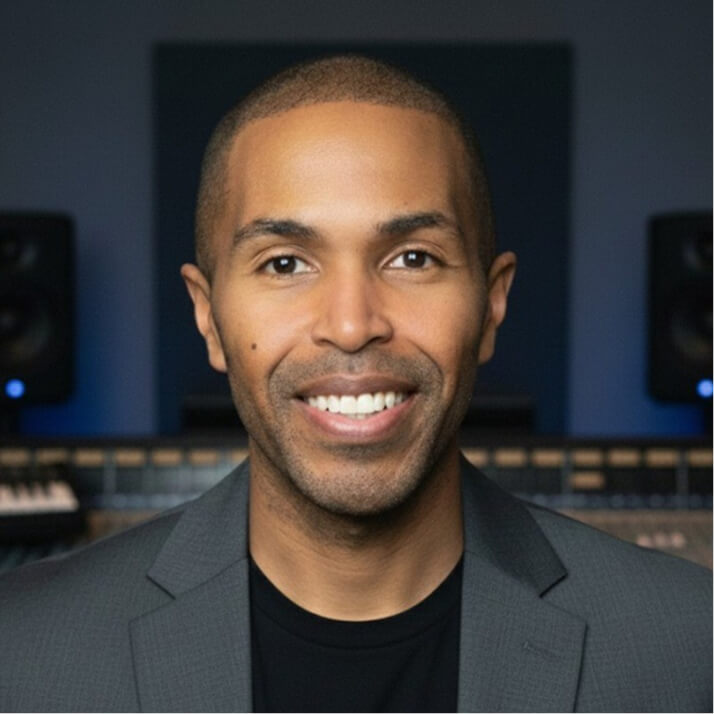
Dion Baez
VP SoundCloud | Ex-YouTube | Ex-Meta
30M+
Global Learners Reached
$3B+
Raised for Social Impact Across 45+ Countries
25
Years Driving Adoption & Growth
Why This Matters
When humans thrive, organizations do too
But this runs both ways. Even without what people need, the work can still happen, but it comes at a cost.
The Human Cost
Loss of confidence
Disconnection
Dependency
Reduced sense of influence
Difficulty navigating uncertainty
Lack of trust
The Organizational Cost
Wasted investment
Slow execution, fragile trust
Low ownership, more rework
Poor decisions
Short-term compliance that doesn't last
Customers who don't come back
The patterns I’ve seen show up in the data too
Organizations undertaking digital transformation generated less than one-third of their planned impact.
(McKinsey, 2023).
Only 21% of employees worldwide were engaged at work in 2024. Gallup estimated the year-over-year decline cost roughly $438 billion in lost productivity.
(Gallup, 2024)
Organizations that planned for sustainment hit 81% of their objectives, versus 15% for those that didn’t.
(Prosci, 2025)
HOW WE WORK TOGETHER
From consult to customized plan
I help you find the real problem underneath stalled momentum, weak technology adoption, and misalignment, and build the conditions that end that pattern for good.
01/
We begin with a diagnostic conversation where we find out exactly what people need to trust shifts and carry them forward.
02/
We rethink what the measures of success look like so your initiative delivers the outcomes you need.
03/
We map out a plan based on what we uncover. This might include working privately with you and your team, or small group workshops in real time.
“She can operate at a strategic level and roll up her sleeves and make things happen quickly.”
“Jen is an amazing asset. She can operate at a strategic level and roll up her sleeves and make things happen quickly. She is a great team player and a joy to work with.”
Kim Caldbeck
Advisor Bessemer Venture Partners | Former Coursera CMO
I speak with business and community leaders navigating everything moving at once–AI, shifting teams, new expectations–who need clarity, trust, and foresight to move forward with confidence.
Signature Topics
People adopt the strategy when they know the story, where it’s going, and their place in it
AI Has a Human Readiness Problem
We Are Designing the Next Generation Out of Agency
What AI Leaders Can Learn from Nonprofits
The Most Expensive Mistake Happens Before the Build